



Which is Bigger: Mazda CX-5 or CX-30?
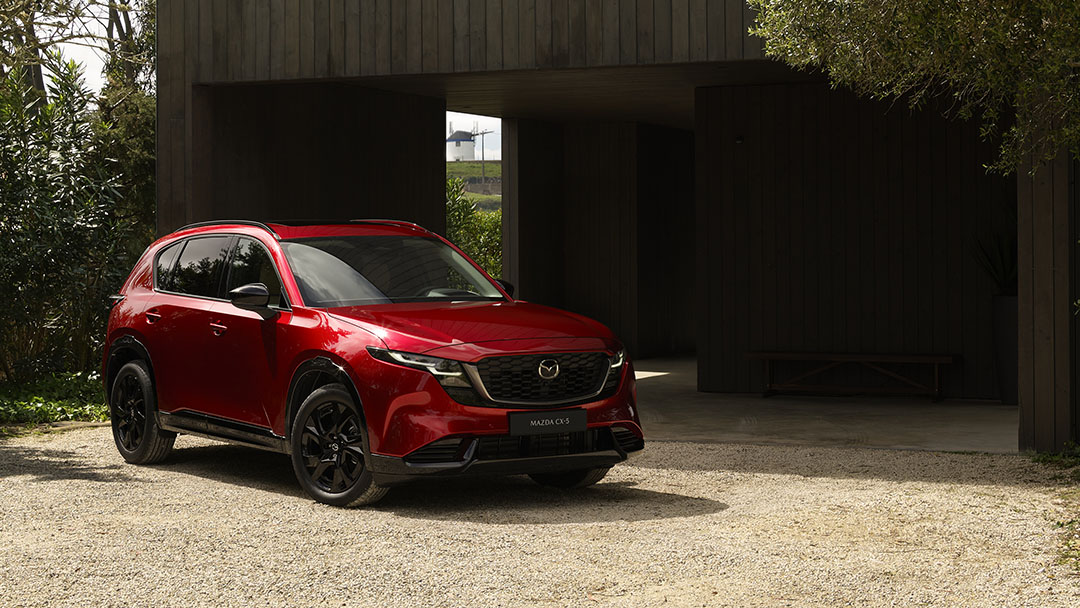
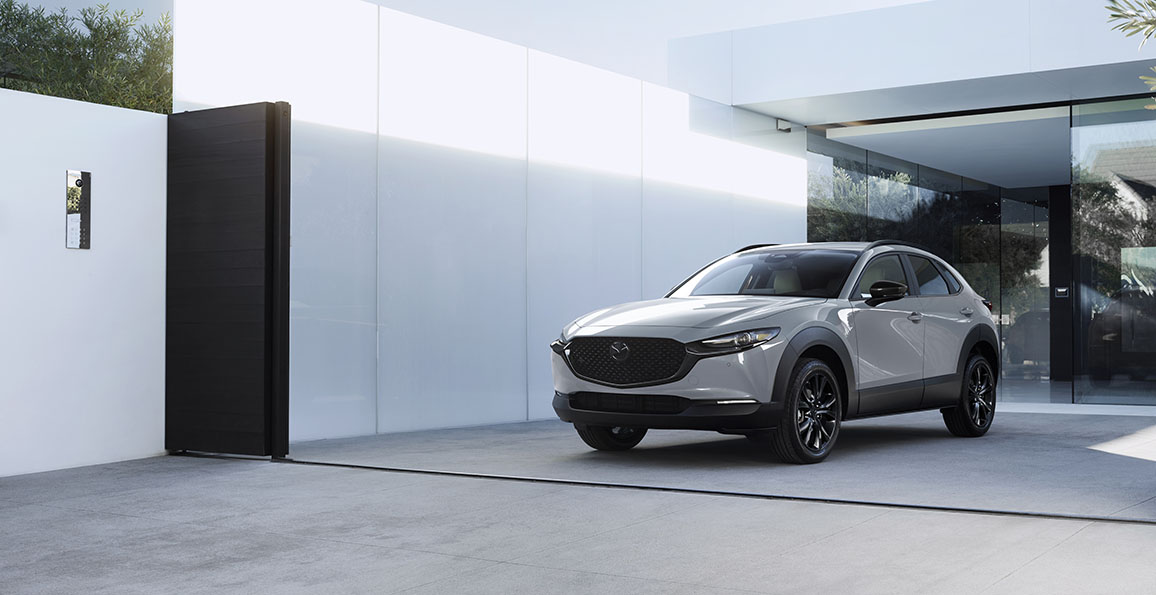
Photo Source/Copyright: Mazda
Which is bigger, the Mazda CX-5 or CX-30? The Mazda CX-5 is substantially larger than the CX-30 across every exterior and interior dimension. Both occupy premium positions in the crossover SUV market, but understanding their core size differences is vital for making an informed buying decision.
Here is a clear side-by-side comparison of key dimensions based on 2026 model data:
| Dimension Metric | Mazda CX-5 | Mazda CX-30 |
|---|---|---|
| Classification | Compact SUV | Subcompact SUV |
| Length | 184.6 inches | 173.0 inches |
| Height | 66.7 inches | 61.4 inches |
| Max Cargo | 66.5 cubic feet | 45.2 cubic feet |
| Wheelbase | 110.8 inches | 104.4 inches |
How Do Their Size and Purpose Differ?
The Mazda CX-5 is a compact SUV, whereas the Mazda CX-30 is a subcompact SUV. Measuring 184.6 inches in length, the redesigned CX-5 utilizes a 110.8-inch wheelbase to deliver expansive passenger room. Picture navigating a long interstate; the extended frame absorbs road imperfections effortlessly.
Conversely, the CX-30 sits at exactly 173.0 inches long. While it offers a tighter cabin, this subcompact footprint gives it a highly agile, city-friendly feel. It slips through narrow urban corridors and tight parking garages with absolute ease.
What Are the Engine and Performance Options?
Both vehicles offer highly reliable 2.5-liter four-cylinder engines. The CX-5 produces a standard 187 horsepower and 186 pound-feet of torque, ensuring smooth power delivery. For stronger acceleration, an available turbocharged engine reaches 256 horsepower.
The CX-30’s standard engine produces 191 horsepower, and because the subcompact weighs less, it feels exceptionally nimble. Mazda also outfits the CX-30 with a new brake-based limited-slip differential that reroutes power to the wheels with grip, enhancing its spirited cornering. The available turbocharged CX-30 even achieves 60 miles per hour (MPH) in a blistering 6.2 seconds.
How Does Fuel Efficiency Compare?
Lighter weight naturally translates to greater fuel efficiency. The aerodynamic CX-30 achieves EPA-estimated 24 miles per gallon (MPG) city and 31 MPG highway, for a combined 27 MPG. The CX-5 trades a fraction of this efficiency for its larger structural size, returning 24 MPG city, 30 MPG highway, and 26 MPG combined.
What Are the Key Cargo and Towing Distinctions?
The CX-5 delivers superior hauling capabilities. With the rear seats folded, the CX-5 expands to a maximum of 66.5 cubic feet of cargo space and provides a 1,500-pound towing capacity. The CX-30 offers up to 45.2 cubic feet of practical storage. While Mazda does not rate the CX-30 for towing, eliminating heavy trailering reinforcements allows the vehicle to maintain its class-leading driving dynamics and sporty handling.
How Do Safety and Technology Features Stack Up?
Both SUVs prioritize occupant protection with the i-Activsense safety suite, featuring Blind Spot Monitoring and Rear Cross-Traffic Alert. The CX-5 steps forward by introducing standard Turn-Across Traffic Braking and an available 15.6-inch display with Google Built-in. The CX-30 counters with a streamlined 10.25-inch display and introduces Alexa Built-in, optimizing the cabin for hands-free voice commands. Both vehicles offer available 12-speaker Bose audio systems.
How Do the Starting Prices Align?
The CX-30 provides a highly accessible entry point, featuring a starting MSRP of $25,975 before destination fees. The larger, heavily equipped CX-5 carries a higher starting MSRP of $29,990 (plus destination fee). Higher trims converge in price, blending the value propositions of both vehicles.
Which SUV Suits Your Driving Style?
Choosing the right model depends entirely on your daily routine.
- Mazda CX-5: Ideal for growing families and road-trip enthusiasts. It suits drivers who require generous legroom, heavy-duty utility, and a commanding highway presence.
- Mazda CX-30: Tailored for urban commuters and driving enthusiasts. It suits individuals who desire exceptional fuel efficiency, affordable pricing, and the engaging maneuverability of a sporty hatchback.
Both Mazda SUVs deliver polished styling, standard all-wheel drive (AWD), and a refined driving experience. The CX-30 gives you compact confidence, and the CX-5 gives you more room to grow. Either way, you get a well-rounded SUV that feels well thought out, capable, and easy to recommend.
More From Southern Mazda Newport News
What to Expect From a Mazda EV
Photo Source/Copyright: Mazda USA Type “electric Mazda” into a search bar and you’ll get a messy pile of answers, mostly years out of date. Here’s the straight version from people who sell these cars daily: Mazda’s U.S. electric strategy runs through plug-in hybrids (PHEVs) and a self-charging hybrid today, with a dedicated battery-electric…
What Is the Real Mazda3 MPG Number?
Photo Source/Copyright: Mazda USA Let’s be honest for a second. There are plenty of compact cars out there that get completely decent gas mileage. However, almost all of them feel like an appliance, a toaster on wheels designed by an engineering department that clearly hates driving. The Mazda3 is one of those rare…
What Makes a Mazda Pickup Truck Special?
Photo Source/Copyright: Mazda USA Walk into a Mazda showroom looking for a bed and a tailgate, and you’ll walk out disappointed. Sort of. No, there’s not a dedicated Mazda pickup truck sitting on sales lots in the United States right now. That’s the straightforward answer. The messier, far more interesting reality involves a capable…